


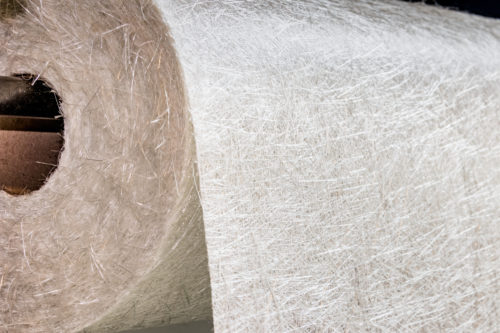
 Fiberglass is a highly versatile lightweight material that is often used as a durable and cost-effective alternative to concrete, wood, and metal. Available in a wide range of formulations, fiberglass couples the formability of plastic with the strength of glass. The unique properties of fiberglass make it useful for a wide range of industries and applications.
Is Fiberglass the Best Material for Your Industrial Application?
When deciding whether fiberglass material is right for your industrial application, it is important to know what fiberglass is made of, its fundamental material properties, the different types, how it compares to other materials, and its common uses.
Fiberglass Material 101
What is fiberglass made of? Fiberglass is a combination of resin and glass fibers which creates a fiber reinforced plastic.
How is fiberglass made? Fiberglass is made by adding resin to the glass fibers. Different resins can then be added to make the product stronger, tougher, and less brittle. Fiberglass can easily be molded into a variety of shapes and is incorporated into many industrial products due to its malleability and durability, including everything from equipment shelters to ducts to airplanes.
Choosing Fiberglass Over Other Materials
Fiberglass offers numerous advantages over more traditional steel, wood, concrete, and other materials for a wide range of industries. With exceptional versatility, this lightweight material can easily be incorporated into virtually any application. Qualities that make fiberglass superior to other materials include:
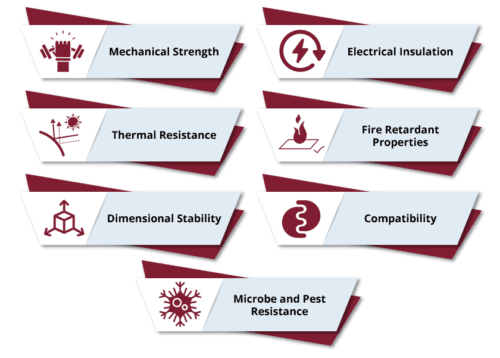
- Mechanical strength
- Electrical insulation
- Thermal resistance
- Fire retardant properties
- Dimensional stability
- Compatibility
- Microbe and pest resistance
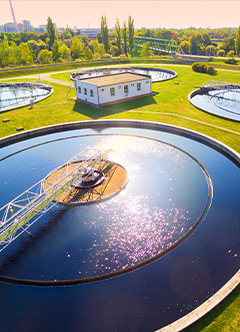 Water & Wastewater. Fiberglass is safe and highly resistant to harsh conditions in water facilities, including water treatment chemicals such as lime-soda, chlorine, coagulants, flocculants, precipitants, and defoamers. In addition, fiberglass can withstand the thermal and chemical processes used for disinfection, clarification, demulsification, demineralization, odor control, and precipitation. VPC offers fiberglass troughs, weir plates, and scum baffles in a wide range lengths, sizes, and configurations to suit various water control needs.
 Marine. Watercraft, docks, marinas, and other marine facilities are regularly exposed to highly corrosive seawater. Fiberglass is highly resistant to the corrosive effects of seawater, making it the ideal option for exterior panels, supports, and other marine components.
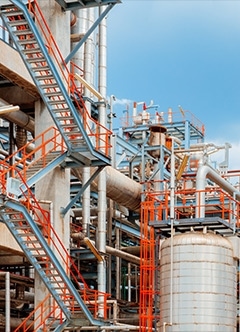 Chemical. Fiberglass is a great material option for holding tanks, containers, and covers that contain corrosive chemicals. It is also used for ductwork, fans, and louvers in chemical facilities to provide a corrosion resistant solution for airflow.
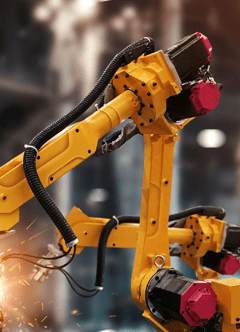 Manufacturing. Fiberglass is used for ladders, platforms, and railings in various manufacturing facilities to prevent injuries in areas where oil, hydraulic fluid, and other process fluids pose a slip risk.
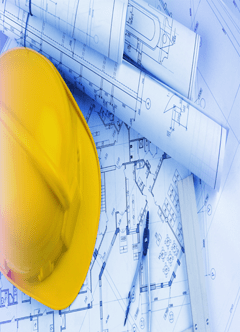 Construction. The flame resistance and exceptional strength-to-weight ratio make fiberglass the construction material of choice for a variety of components in commercial, residential, and industrial facilities.
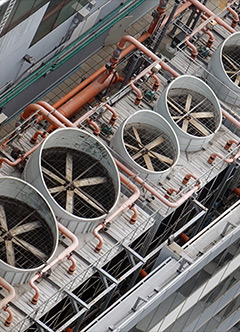 HVAC and Air Handling. Cooling towers, ventilation ducts, fans, louvers, and other HVAC components are often constructed from fiberglass for enhanced durability and corrosion resistance.
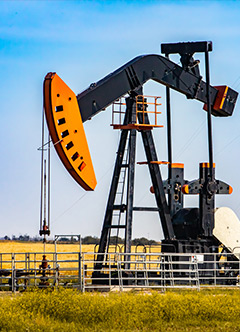 Oil and Gas. Fiberglass in-ground vaults and enclosures are used to protect and provide easy access to gas utilities. Fiberglass catch basins are also often used in oil and gas sites to provide a corrosion-resistant drainage solution.
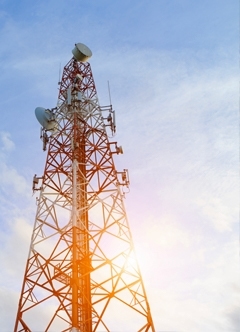 Telecommunications and Power. The thermal and electrical resistance of fiberglass makes it the perfect insulator for telecommunication equipment and power distribution arrays. At VPC, we offer fiberglass RF shielding shelters to protect important telecommunications equipment from harmful interference and the elements.
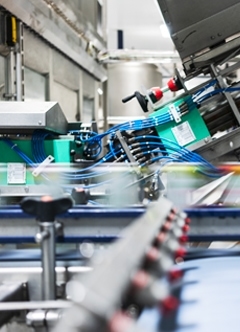 Food and Beverage. Fiberglass containers and tanks offer a food-safe solution for containing and controlling the odors of various food products. Since food and beverage facilities work with numerous liquids, such as oils, juices, and more, fiberglass can also be used for non-slip platforms, ladders, and gratings to prevent injury.
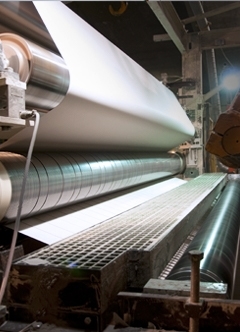 Pulp and Paper. VPC offers fiberglass in-ground vaults, catch basins, HVAC components, flumes, and more for use in pulp and paper facilities. These products are capable of withstanding the corrosive chemicals used throughout paper processing operations.
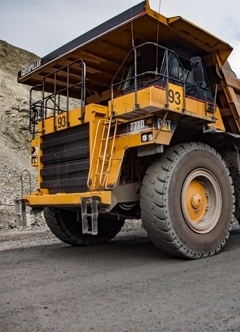 Mining. Fiberglass equipment enclosures, catch basins, flumes, walkways, and more are resistant to chemicals and electricity. This is important in protecting equipment and personnel from stray electrical current during mining operations.
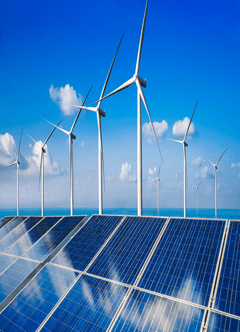 Energy Production. Its non-conductive properties make fiberglass especially useful in the energy industry, where high voltage operations such as scrubbers and tank farms require safe non-conductive walkways, equipment enclosures, and other equipment.
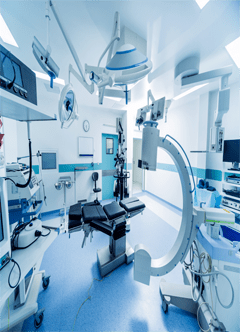 Medical. Lightweight, strong, and smooth fiberglass is easy to mold into complex easy-to-clean covers for medical equipment.